
Rất nhiều doanh nghiệp thất bại khi tham gia vào thương mại quốc tế, không phải bởi giá cả hàng hóa mà bởi họ chưa nắm rõ những quy định về nhập khẩu máy móc, thiết bị. Để có thể đảm bảo tuân thủ những điều luật phức tạp về chuỗi cung ứng toàn cầu thì một thỏa thuận mua bán thôi là chưa đủ. Nếu không có những hiểu biết đầy đủ về luật, các doanh nghiệp có thể đối mặt với những vấn đề nhức nhối như vật tư bị giữ vô thời hạn tại hải quan, chi phí kho bãi cao vô lý, và rủi ro pháp lý nghiêm trọng. Hướng dẫn này sẽ cung cấp những thông tin cần thiết để các công ty có thể giảm thiểu gánh nặng tài chính và hiểu rõ về các quy định nhập khẩu theo luật trong nước vào quốc tế.
Quy Định Nhập Khẩu Máy Móc Là Gì và Tại Sao Chúng Quan Trọng Đối Với Doanh Nghiệp
Tìm Hiểu Quy Định Nhập Khẩu Máy Móc Dành Cho Người Mới Bắt Đầu
Đối với những ai mới bước chân vào ngành, quy định nhập khẩu máy móc là tập hợp các yêu cầu pháp lý và tiêu chuẩn do chính phủ ban hành nhằm kiểm soát việc đưa hàng hóa cơ khí vào một quốc gia. Những quy tắc này áp dụng cho nhiều loại mặt hàng khác nhau, bao gồm máy móc và thiết bị đơn lẻ, các dây chuyền công nghệ phức tạp, và toàn bộ dây chuyền sản xuất. Một hiểu lầm phổ biến của các doanh nhân là cho rằng bất kỳ loại máy móc nào cũng có thể được nhập khẩu tự do miễn là nộp đủ thuế. Trên thực tế, nhiều nhóm thiết bị phải chịu sự hạn chế nghiêm ngặt hoặc thậm chí bị cấm hoàn toàn dựa trên chức năng hoặc xuất xứ của chúng. Những hạn chế này thường được quy định chi tiết trong các điều khoản cụ thể của luật hải quan, trong đó nêu rõ các yêu cầu, thủ tục và giới hạn đối với việc nhập khẩu máy móc, thiết bị.
Các Loại Máy Móc Được Quy Định, Bao Gồm Máy Móc và Thiết Bị Đã Qua Sử Dụng
Các quy định phân biệt rõ ràng giữa hàng mới và hàng đã qua sử dụng. Phạm vi điều chỉnh bao gồm máy móc đã qua sử dụng, thiết bị máy móc đã qua sử dụng, máy móc nhập khẩu, và các dây chuyền công nghệ toàn diện. Máy móc và dây chuyền công nghệ nhập khẩu phải đáp ứng các tiêu chuẩn quản lý cụ thể về tuổi thiết bị, công suất, mức độ tuân thủ và hồ sơ tài liệu. Điều quan trọng cần nhận thức là máy móc đã qua sử dụng không đơn thuần chỉ là một lựa chọn rẻ hơn. Xét từ góc độ quản lý, thiết bị đã qua sử dụng có mức độ rủi ro cao hơn đáng kể. Các cơ quan chức năng thường áp đặt sự kiểm soát chặt chẽ hơn đối với các mặt hàng đã qua sử dụng nhằm ngăn chặn việc “đổ bỏ” công nghệ nguy hại hoặc kém hiệu quả vào thị trường nội địa của họ.
Những Thực Tế Thực Tiễn Mà Doanh Nghiệp Phải Đối Mặt, Vượt Ra Ngoài Các Định Nghĩa Pháp Lý
Trong khi nhiều cổng thông tin thương mại chính thức chỉ đưa ra các định nghĩa mang tính pháp lý, thực tế triển khai lại bao gồm nhiều tầng lớp thủ tục hành chính. Doanh nghiệp phải xử lý các giấy phép kỹ thuật, các chứng nhận bắt buộc, và các đợt kiểm định trước khi xếp hàng (pre-shipment inspection) nghiêm ngặt. Những trở ngại trong thực tế thường xuất hiện dưới dạng các rào cản hành chính, nơi mà chỉ một thông số kỹ thuật bị thiếu cũng có thể khiến toàn bộ dự án bị đình trệ. Bộ tờ khai hải quan đầy đủ cùng các tài liệu đi kèm là yếu tố thiết yếu để việc nhập khẩu thành công, vì việc nộp đúng hồ sơ giấy tờ là điều then chốt để thông quan hải quan và tuân thủ các quy định nhập khẩu máy móc của Việt Nam. Hiểu rõ những trở ngại này là bước đầu tiên để đạt được sự thông quan thành công.
Tại Sao Quy Định Giữa Các Quốc Gia Lại Khác Nhau và Điều Đó Có Ý Nghĩa Gì Đối Với Bạn
Mỗi quốc gia xây dựng các tiêu chuẩn riêng của mình dựa trên các quy trình an toàn tại địa phương, mục tiêu môi trường, và nhu cầu loại bỏ dần các công nghệ lạc hậu. Đối với các nhà nhập khẩu ở mức độ trung cấp, điều quan trọng cần nhận ra là quy định nhập khẩu không chỉ liên quan đến việc tuân thủ an toàn mà còn là một công cụ để bảo hộ ngành công nghiệp trong nước. Số liệu thống kê cho thấy khoảng 30 đến 40% các lô hàng bị chậm trễ cụ thể là do sai sót về hồ sơ giấy tờ. Hơn nữa, máy móc đã qua sử dụng có tỷ lệ bị từ chối cao hơn nhiều so với thiết bị mới. Một số quốc gia xuất khẩu, chẳng hạn như các nước G7 và Hàn Quốc, có các tiêu chuẩn được công nhận có thể tạo điều kiện thuận lợi cho việc phê duyệt nhập khẩu theo các quy định nhập khẩu máy móc của Việt Nam.
Quy Trình Nhập Khẩu Cốt Lõi Đối Với Máy Móc và Thiết Bị
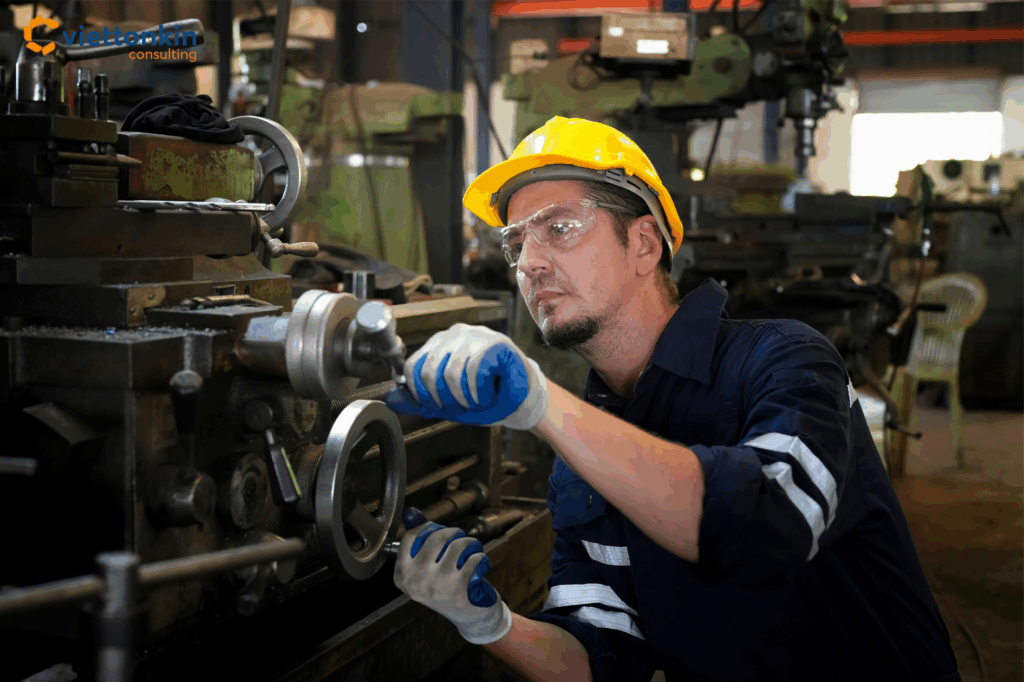
Các Bước Trong Quy Trình Nhập Khẩu Máy Móc và Thiết Bị
Để đảm bảo quá trình chuyển đổi suôn sẻ từ nhà máy đến kho hàng, doanh nghiệp phải tuân theo một trình tự kỷ luật chặt chẽ. Quy trình nhập khẩu bắt đầu bằng việc xác định sản phẩm một cách chính xác, tiếp theo là kiểm tra kỹ lưỡng các quy định tại địa phương của quốc gia đích. Sau khi các yêu cầu pháp lý đã rõ ràng, nhà nhập khẩu phải thu thập các tài liệu cần thiết trước khi tiến hành vận chuyển và thông quan cuối cùng. Nhà nhập khẩu cũng phải thực hiện việc giám định máy móc và thiết bị đã qua sử dụng, đồng thời xin cấp chứng thư giám định do một tổ chức giám định được chỉ định cấp, vì chứng thư này là bắt buộc để thông quan hải quan và được phê duyệt nhập khẩu. Việc tuân thủ các bước này đối với máy móc, thiết bị và tài sản công nghệ sẽ đảm bảo mọi cơ sở pháp lý đều được đáp ứng.
Cách Phân Loại Máy Móc Bằng Mã HS Đúng Cách
Hệ thống Hài hòa (Harmonized System), hay mã HS, là ngôn ngữ chung của thương mại quốc tế. Việc phân loại chính xác là bước kỹ thuật quan trọng nhất trong toàn bộ quy trình. Nếu doanh nghiệp gán sai mã HS, họ có nguy cơ phải chịu mức phạt nặng, chậm trễ lô hàng kéo dài, và bị kiểm tra gắt gao. Chỉ một lỗi phân loại đơn giản cũng có thể khiến mức thuế thay đổi ngay lập tức từ 0% lên đến 20%, khiến việc xác định chính xác trở thành một nhu cầu tài chính bắt buộc.
Các Tài Liệu Cần Thiết Để Nhập Khẩu Máy Móc Đã Qua Sử Dụng và Dây Chuyền Sản Xuất
Giai đoạn chuẩn bị hồ sơ đòi hỏi sự tỉ mỉ trong từng chi tiết. Các yêu cầu cơ bản bao gồm hóa đơn thương mại, phiếu đóng gói hàng hóa, giấy chứng nhận đăng ký kinh doanh có đóng dấu, và chứng thư giám định. Khi nhập khẩu máy móc đã qua sử dụng hoặc toàn bộ dây chuyền sản xuất, nhà nhập khẩu phải cung cấp bản sao giấy chứng nhận đăng ký kinh doanh và giấy chứng nhận gốc của nhà sản xuất, trong đó nêu rõ năm sản xuất và mức độ tuân thủ các tiêu chuẩn an toàn. Trong trường hợp không có giấy chứng nhận của nhà sản xuất, chứng thư giám định từ một tổ chức được chỉ định là bắt buộc. Những chứng nhận và báo cáo này phải xác nhận rằng thiết bị vẫn đáp ứng các tiêu chuẩn vận hành và an toàn theo yêu cầu của quốc gia nhập khẩu.
Quy Trình Thực Tế Mà Doanh Nghiệp Cần Tuân Theo
Mặc dù các danh sách tài liệu rất hữu ích, việc hiểu rõ quy trình thực tế lại có giá trị hơn nhiều đối với hoạt động hàng ngày. Quá trình này bắt đầu tại địa điểm của nhà cung cấp với một đợt đánh giá ban đầu. Tiếp theo là một đợt giám định chính thức trước khi hàng hóa được xếp lên tàu. Khi việc vận chuyển đã bắt đầu, nhà nhập khẩu phải phối hợp với các đại lý khai báo hải quan (customs broker) để chuẩn bị hồ sơ khai báo điện tử. Số liệu hiện nay cho thấy 70% các lỗi nhập khẩu xảy ra trong giai đoạn chuẩn bị hồ sơ, và việc sai lệch mã HS vẫn là nguyên nhân hàng đầu dẫn đến việc bị kiểm tra hải quan.
Các Quy Định Đặc Biệt Đối Với Máy Móc Đã Qua Sử Dụng và Dây Chuyền Công Nghệ
Quy Định Về Máy Móc và Thiết Bị Đã Qua Sử Dụng Ở Các Thị Trường Khác Nhau
Các thị trường khác nhau có ngưỡng khác nhau về những gì được xem là hàng đã qua sử dụng có thể chấp nhận được. Nhiều quốc gia áp dụng giới hạn tuổi tối đa đối với máy móc và thiết bị đã qua sử dụng nhằm đảm bảo hiệu quả năng lượng và an toàn cho người lao động. Nếu một chiếc máy quá cũ, nó có thể bị từ chối nhập khẩu bất kể tình trạng vận hành của nó ra sao. Ngoài ra, bất kỳ máy móc nào bị các quốc gia xuất khẩu loại bỏ do lạc hậu, chất lượng kém, hoặc gây ô nhiễm cao đều bị cấm nghiêm ngặt. Việc nhập khẩu máy móc, thiết bị và dây chuyền công nghệ đã qua sử dụng vào Việt Nam bị cấm nếu chúng có chất lượng kém hoặc gây ô nhiễm môi trường, theo Quyết định 18/2019/QĐ-TTg.
Giải Thích Về Việc Nhập Khẩu Dây Chuyền Công Nghệ và Thiết Bị, Dây Chuyền Công Nghệ
Việc nhập khẩu một dây chuyền công nghệ phức tạp hơn nhiều so với việc mua một chiếc máy đơn lẻ. Những hệ thống này bao gồm nhiều máy móc hoạt động như một khối thống nhất. Đối với thiết bị và dây chuyền công nghệ, nhà nhập khẩu thường phải cung cấp một sơ đồ bố trí toàn diện và một danh mục tổng hợp duy nhất để đảm bảo toàn bộ hệ thống được phân loại chính xác theo một khung quản lý thống nhất, thay vì phân loại như các bộ phận riêng lẻ. Ngoài ra, máy móc và dây chuyền công nghệ đã qua sử dụng chỉ được phép nhập khẩu để phục vụ trực tiếp cho hoạt động sản xuất tại Việt Nam; việc nhập khẩu để bán lại thương mại là bị cấm.
Rủi Ro Về Tuân Thủ Khi Nhập Khẩu Máy Móc Đã Qua Sử Dụng
Những rủi ro liên quan đến việc tuân thủ là rất đáng kể. Vấn đề lớn nhất thường xảy ra trước cả khi hàng hóa được đưa lên tàu. Để tránh bị xử phạt hoặc từ chối nhập cảnh, nên thực hiện việc giám định trước khi xếp hàng (pre-shipment inspection) đối với máy móc đã qua sử dụng. Nếu thiết bị không đạt yêu cầu trong đợt giám định trước khi xếp hàng hoặc không đáp ứng các tiêu chuẩn về môi trường, tiết kiệm năng lượng, hoặc hiệu suất tại địa phương, doanh nghiệp có thể phải chịu tổn thất toàn bộ. Số liệu thống kê cho thấy các máy móc trên mười năm tuổi thường xuyên bị từ chối tại nhiều thị trường đang phát triển và đã phát triển. Ngoài ra, mức tiêu thụ năng lượng và nguyên vật liệu không được vượt quá 15% so với thiết kế ban đầu, theo đúng các yêu cầu về tiết kiệm năng lượng. Việc không đạt yêu cầu giám định có thể dẫn đến tổn thất tài chính lên tới 100% giá trị lô hàng cộng thêm chi phí vận chuyển trả về.
Một Khung Đánh Giá Trung Lập Để Ra Quyết Định
Doanh nghiệp cần sử dụng một khung đánh giá vững chắc để quyết định có nên nhập khẩu thiết bị đã qua sử dụng hay không. Câu hỏi quan trọng nhất cần đặt ra là liệu chiếc máy đó có đủ điều kiện pháp lý để nhập khẩu hay không, trước khi xem xét đến giá cả. Đôi khi, chi phí để tuân thủ quy định và rủi ro bị từ chối khiến việc mua thiết bị mới trở thành quyết định kinh doanh bền vững hơn. Cách tiếp cận trung lập này giúp các công ty tránh được sự thiên lệch chỉ vì giá mua thấp.
Cách Duy Trì Tuân Thủ và Tránh Những Sai Lầm Tốn Kém Khi Nhập Khẩu
CNhững Sai Lầm Thường Gặp Trong Quy Định Nhập Khẩu Máy Móc và Cách Tránh Chúng
Những lỗi thường gặp nhất bao gồm việc sử dụng sai mã HS, không kiểm tra các quy định môi trường tại địa phương, và nộp hồ sơ kỹ thuật chưa đầy đủ. Nhiều nhà nhập khẩu cũng quên kiểm tra xem một thương hiệu hoặc mẫu mã cụ thể có nằm trong danh sách bị cấm hoặc hạn chế tại khu vực của họ hay không. Để tránh những sai lầm này, cần chủ động tìm kiếm các danh mục quy định đã được cập nhật.
Xây Dựng Chiến Lược Tuân Thủ Cho Việc Nhập Khẩu Máy Móc
Một chiến lược tuân thủ chuyên nghiệp bao gồm nhiều hơn là chỉ điền vào các biểu mẫu. Các doanh nghiệp ở mức độ trung cấp nên thuê các chuyên gia tư vấn để thực hiện việc kiểm tra hồ sơ tài liệu. Đối với máy móc và thiết bị đã qua sử dụng trên 10 năm tuổi, giấy phép nhập khẩu phải được nộp lên Bộ Khoa học và Công nghệ để phê duyệt, nhằm đảm bảo tuân thủ các tiêu chuẩn khoa học và kỹ thuật. Việc kiểm tra trước các quy định trước khi ký hợp đồng mua bán có thể giúp tiết kiệm hàng nghìn đô la tiền phạt và chi phí lưu kho tiềm ẩn.
Cách Doanh Nghiệp Có Thể Giảm Thiểu Sự Chậm Trễ và Chi Phí Trong Quy Trình Nhập Khẩu
Để giảm thiểu chi phí, doanh nghiệp nên xác minh kỹ lưỡng các nhà cung cấp của mình và yêu cầu thực hiện giám định trước khi hàng hóa rời khỏi cảng xuất xứ. Việc mô phỏng tất cả các chi phí, bao gồm thuế nhập khẩu tiềm năng và các khoản phí hành chính, là điều rất quan trọng; thuế nhập khẩu và các tài liệu thương mại nêu chi tiết nội dung, trọng lượng, và số lượng kiện hàng là yếu tố thiết yếu để lập ngân sách chính xác và đảm bảo tuân thủ. Các công ty có chiến lược tuân thủ chuyên biệt có thể giảm sự chậm trễ lô hàng lên tới 50%.
Kết Luận
Việc hiểu rõ các quy định nhập khẩu máy móc là yếu tố quan trọng nhất để việc mua sắm quốc tế thành công. Việc nhập khẩu máy móc vào Việt Nam liên quan đến các quy định được thực thi nghiêm ngặt, có sự khác biệt đáng kể giữa thiết bị mới và đã qua sử dụng. Các quy định mới theo Thông tư số 30/2025/TT-BKHCN đã đưa ra các tiêu chí kỹ thuật và tuân thủ chặt chẽ hơn đối với các dây chuyền sản xuất đã qua sử dụng trong lĩnh vực bán dẫn và công nghệ số. Những quy định này không nên được xem chỉ đơn thuần là những trở ngại, mà là một phần thiết yếu của một chiến lược kinh doanh toàn diện. Bằng cách tập trung vào việc tuân thủ và thực hiện theo một quy trình có cấu trúc rõ ràng, các công ty có thể bảo vệ khoản đầu tư của mình và đảm bảo hoạt động diễn ra suôn sẻ. Hãy luôn sử dụng một danh mục kiểm tra nghiêm ngặt và tham khảo ý kiến chuyên gia trước khi vận chuyển máy móc có giá trị cao qua biên giới. Để cập nhật thông tin mới nhất về quy định nhập khẩu máy móc, hãy luôn tham khảo các nguồn chính thức và truy cập trang web của chúng tôi để có thông tin quy định mới nhất.
Đọc thêm: Hướng Dẫn Từng Bước Để Hiểu Về Các Quy Định Xây Dựng Dành Cho Người Xây Dựng Lần Đầu